 |
| If it looks real, it must be real. Pull the other one, it's got bells on. |
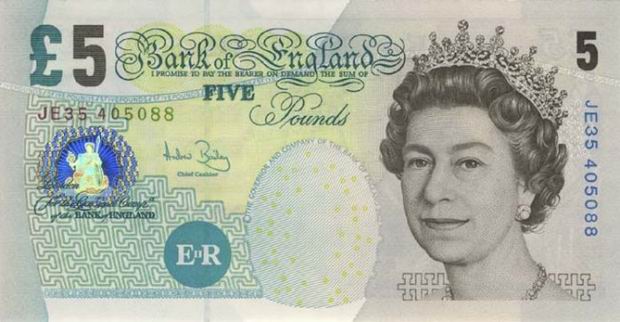
Speaking as someone who spent two decades sorting fakes from the real thing, I can say that it dashed well does matter the same way as it matters if a cheque is a fake. Not only do fakes detract from the artists reputation, but the very intent of the forger is to deceive. He isn't painting a picture that others just happen to mistake for an old master, he is trying to pass off a fraud. He carefully works in the manner of the original, never varying. He uses period materials, ages the product and generally does everything he can to foil attempts to verify the validity of the piece. Worse, the fake is invariably inferior to the original and never fools everyone. there is always some critic or scholar who smells a rat.
Worst of all, the damage done extends far beyond the showroom. Thanks to enterprising forgers over teh centuries, a huge fraction of the ancient coins in the British Museum are of dubious origin–and that collection is meant as reference material for studying the past.
If anyone pulls this sort of asininity in real life, offer to sell him a bridge and present him with your "genuine" deed to it.
No comments:
Post a Comment
Rules for submitting comments:
1. No profanity. I maintain the pretense that this is a family-friendly site.
2. Stay on topic. A bit of straying and off-hand commenting is okay, but hijacking the discussion is right out.
3. No ad hominem attacks. Attack the subject, not the other person on the thread and keep the discussion civil.
4. No spamming or commercial endorsements. These get deleted immediately.
Tip: Beware of putting hyperlinks in your comments–especially at the end. For some reason, Blogger interprets these as spam.
Note: Due to the recent spate of anonymous spamming, registration for comments is now required.